How to Run a Solo Plastics Recycling Business Without Owning the Commodity Risk
A solo plastics recycling business can work if you sell the service before you collect, and decline any load that fails a simple margin and time test.
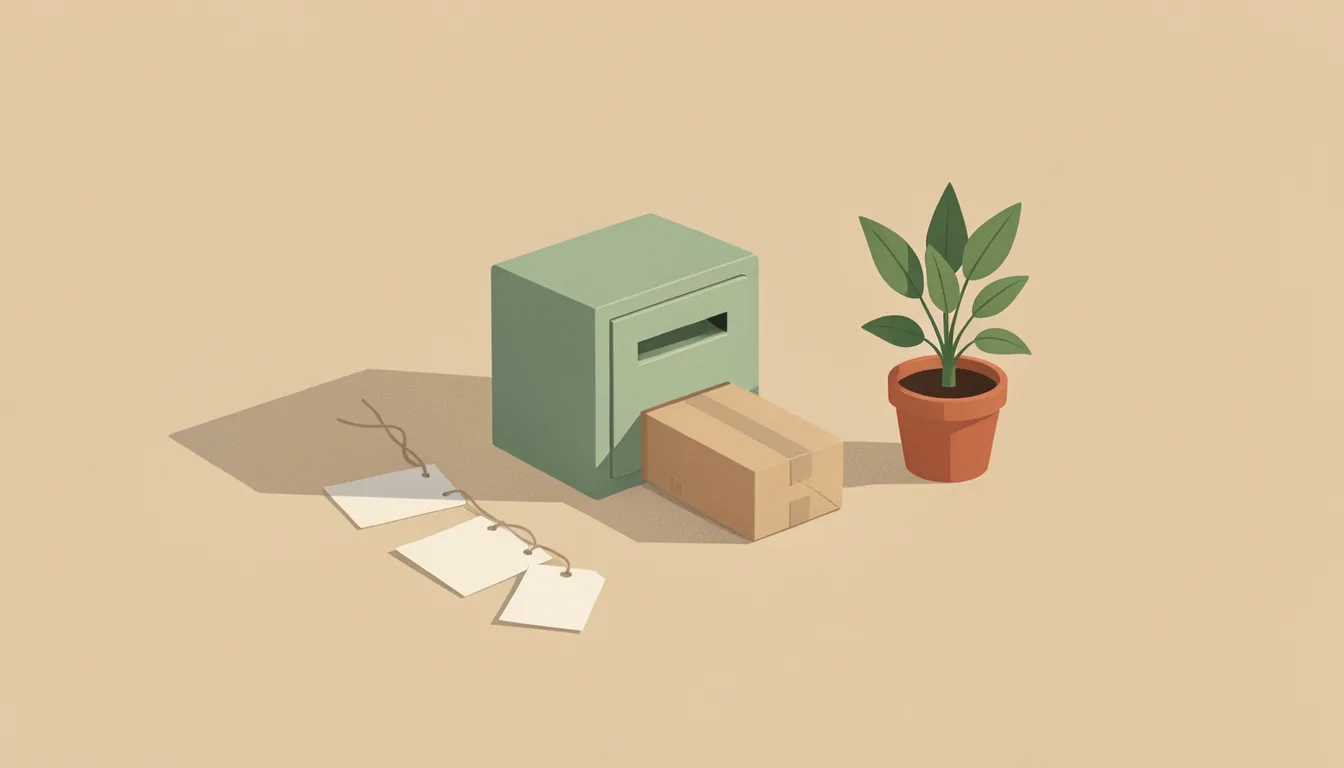
The decision comes before the truck moves
A solo plastics recycling operator can make the decision before the truck moves: take the load or leave it. The durable trick is simple: sell the service before you collect the material. Your customer is not the plastic. Your customer is the person or business that needs waste moved, sorted, or made easier to report. The plastic is the medium. If you are holding inventory hoping a buyer appears, you are not running a service. You are running a bet.
The collapse is a warning about ownership, not effort. One of Australia’s largest plastics recycling businesses has collapsed into voluntary administration. Recycling Plastics Australia’s directors said a major supplier’s insolvency was a significant factor. The company had previously received a federal grant to buy machinery for soft plastics. Read that as a solo operator and the obvious fear is that the whole waste recycling space is too fragile. It is not. The fragile part is the part that depends on someone else’s balance sheet, a shifting commodity price, or a machine that only pays back if the market stays kind. A one-person company can enter this work, but only if it refuses to become a commodity trader with a truck.
The point is not to avoid all risk. It is to avoid the kind of risk that turns your week into a negotiation with a market you do not control. A small business can be exposed to weather, a broken vehicle, or a difficult customer. Those are manageable. A commodity position is not, because the price can move before you finish sorting.
The solo plastics margin test
Before you take a load, run the same checks every time. This is the test that keeps the business small, local, and survivable. Start with the named buyer: there is a person or company that will take the output, and you know who it is before the truck moves. If the answer is “we’ll find a buyer,” the answer is no. Then check the price floor: the agreed price covers collection, sorting, transport, and a margin cushion that protects your time. If the price depends on a future market, it is not a price floor. Then check the weekly time cap: the job fits inside a fixed amount of your week. If it requires chasing, re-sorting, or waiting, it is too big for a solo business. Finally, check the contamination rule: you have a clear rule about what is acceptable, what is rejected, and what happens when the material is dirty. If your labor is exposed to hidden contamination, the margin is fake.
If any answer is no, decline. Declining is not lost revenue. It is the business model. A solo operator who says no to bad loads can say yes to the few that are clean, paid, and bounded.
Build the business around hours, not tonnes
The mistake in waste recycling is to think in volume. Tonnes feel productive, but they do not pay your rent. Hours do. A load that looks large can become a time sink if the material is mixed, the pickup is slow, the buyer is vague, or the sorting is worse than promised. A smaller, cleaner load can be better because it finishes when you said it would.
Start with one local relationship. A business that needs waste removed, a property that needs a bin service, a small manufacturer that needs a simple recycling stream, or a community collection that needs a reliable handler. The goal is not to become a national recycling company. The goal is to become the person who makes one local waste problem disappear without drama.
Keep the operation boring. A vehicle, a phone, a simple record of what was collected, where it went, and what was paid. A pre-sold output means you are not storing risk in your driveway. A named buyer means you are not guessing. A price floor means you are not trading. A contamination rule means you are not absorbing other people’s mess for free.
The lesson is that scale can make you more exposed, not less. A big plant can be crushed by a supplier failure, a commodity swing, or a grant that assumed a market would hold. A one-person company does not have that luxury, but it also does not have that exposure. You can stay small, stay local, and stay in control of the margin.
So if you are testing whether plastics collection, sorting, or resale can be a small margin business, the answer is yes, but only under one condition: you must treat every load as a service contract, not a commodity position. The final test is not whether the load is large. It is whether it protects your time. If a load threatens to turn your week into chasing, re-sorting, waiting, or absorbing someone else’s mess, decline it. That is how a solo business survives without owning the risk it cannot control.