Bulwark's Solo Studio Loop: One Product, Multi-Year Business
A solo developer can turn one game into a durable business by pairing a long publisher deal with free updates and small paid content.
If your product is one game, the business decision is the calendar that survives launch week. Tomas Sala and Wired Productions agreed to a seven-year publishing partnership announced on October 1, 2026. That is the kind of commitment that lets one product stay alive without a new release every year.
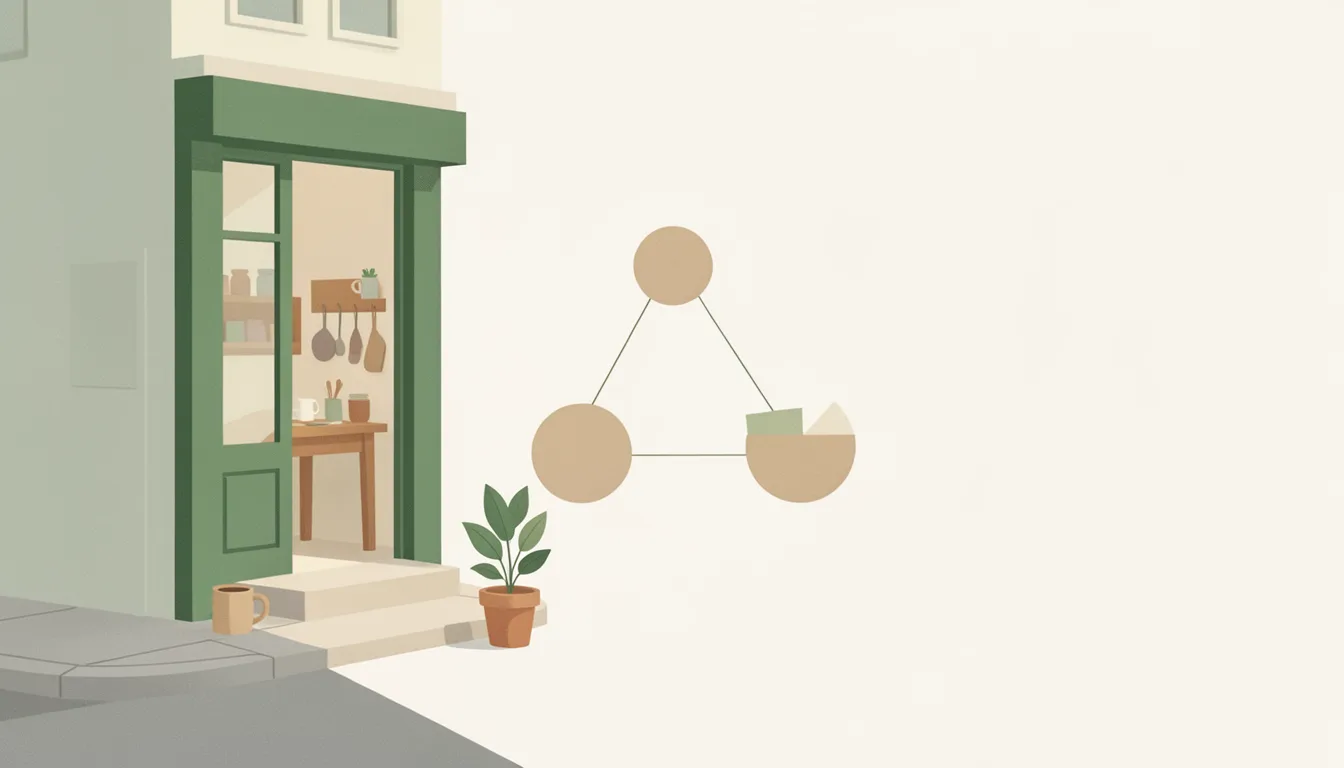
The loop is small enough for one person: a durable base product, a multi-year distribution commitment, free updates, and small paid additions. It does not promise a bigger opening week. It trades a spike for a schedule that can be maintained.
The base product has to outlive launch
Build a base product that can absorb small additions without becoming a patch. It needs a clear core loop and a visible place where new content can land. For a solo operator, the real cost is hours, so the design has to leave room for bounded work.
Tomas Sala worked as the sole developer of Bulwark: Falconeer Chronicles. That one-person build still becomes a business when the product is maintained rather than abandoned. The title should be narrow enough that a small update can be finished without hiring a crew or reopening the whole project.
Done looks like a game players still open months after launch, with a natural slot for new assets, systems, or scenery. If a small addition takes more than a bounded block of work, it is too large for the loop.
A multi-year deal turns launch into a calendar
Secure a publisher commitment that outlasts the first news cycle. A longer agreement gives you a predictable calendar for updates and smaller releases, instead of chasing every storefront event after launch.
ShipShaper began Early Access in September 2026 as the third game from Tomas Sala with Wired Productions after The Falconeer and Bulwark: Falconeer Chronicles. That sequence shows the relationship working as an ongoing arrangement, not a one-off launch service.
Ask for a partner who handles storefront logistics, regional pricing, and post-launch visibility. You should be able to state what the partner does for you in a few words. When the answer is mostly your own marketing, the deal is weaker.
Free updates are the maintenance that makes paid content worth it
Ship free updates on a slow, visible cadence. They should fix rough edges, add small usability changes, or open a new area of play. A finished update looks like a patch note that players recognize as maintenance, not a last-minute repair.
The free update matters because it keeps the audience active between paid releases. It also gives the publisher a reason to keep promoting the title. A base product that stops receiving updates gives paid additions less value.
A few updates a year can be enough if each one is visible and useful. Do not promise a cadence you cannot keep. The player notices missed dates faster than you do.
Small paid content should be priced like a small decision
Schedule small paid content, or micro-DLC, at a price that feels like a small purchase, not a second game. The amount should be low enough that a player can buy it without a long decision. The finished state is a small package that adds a clear, narrow benefit to the base product.
Keep the package narrow. A small set of assets, a new option, or an extra scenario is easier to finish than a broad expansion. The buyer should understand the benefit before paying.
Wired Productions made the Medieval Houses expansion for Bulwark: Falconeer Chronicles available on PC, PlayStation, and Xbox on October 1, 2026. The Steam Medieval Houses DLC adds six medieval timber-clad houses to Bulwark settlements. Keep the loop to four moves:
- One durable base product.
- A multi-year publisher or distribution commitment.
- Perpetual free updates.
- Scheduled micro-DLC at $1.99 or $2.99: the Medieval Houses expansion carried a launch price of $2.99, €2.99, or £2.49 on October 1, 2026, and the Verne Bannerless expansion carried a launch price of $1.99, €1.99, or £1.49 on PlayStation and Xbox on October 1, 2026.