Set a 100-unit minimum that makes your first private-label order profitable
Set a clear standard, price the first private-label order to cover setup, and use the run to test your process before you scale.
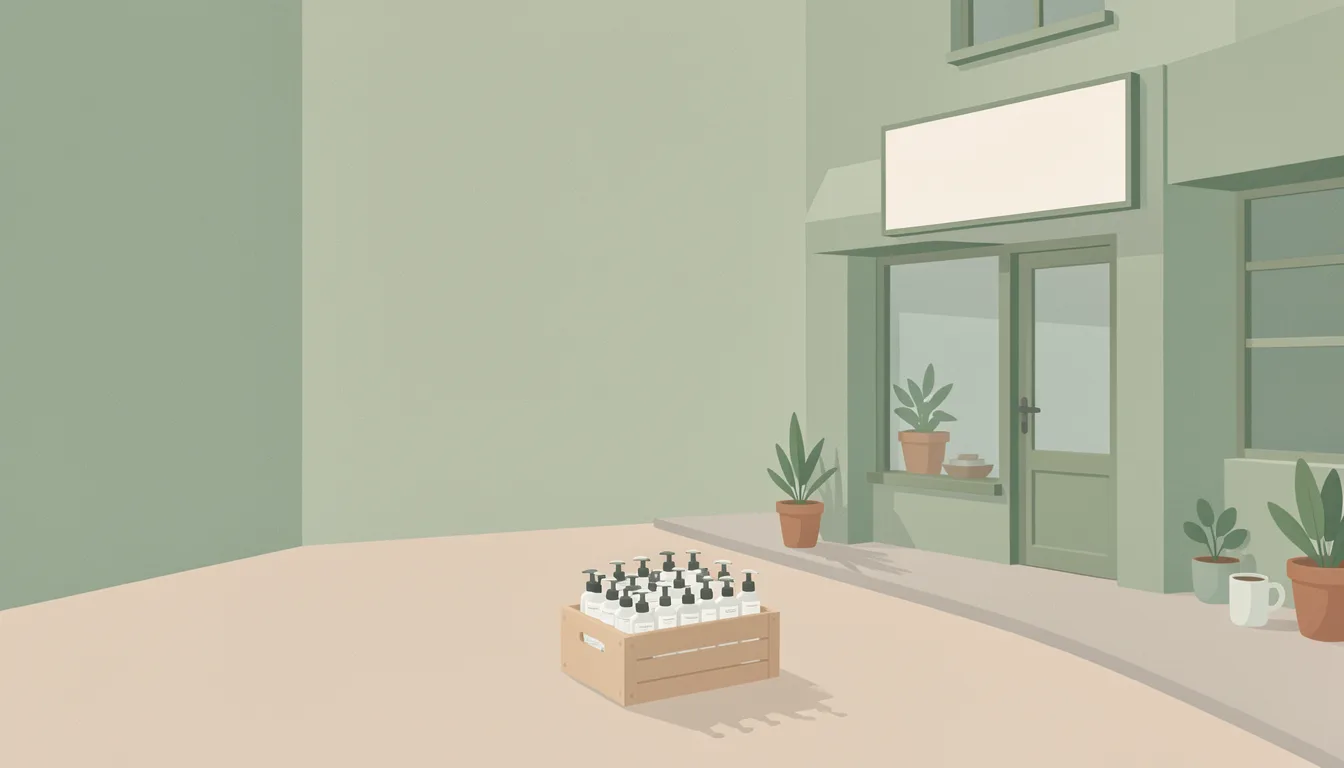
You have a working product, a few sales, and a message asking for a first private-label or small-batch order. In private label skincare, the first order is the most expensive because it covers setup, small volume, and initial tooling. Nardo's Natural Private Label uses a 100-unit standard bulk order minimum, with smaller orders available upon request.
Make 100 units the standard
Use that shape for your own work. Make 100 units the normal starting point, and treat anything below it as a separate decision. Ask what the client actually needs before you quote a number. Ready-made private label can start at 12 units, while projects with formula changes, packaging coordination, testing, and compliance documentation can start around 500 or 1,000 units. Match the minimum to the work, not to a blanket number. The quote should be short enough to explain on a call and specific enough to price.
Add setup, materials, and margin to the first quote. The first run covers the extra work before the client pays, not a discount that makes you hope the next order fixes it. Tell the client that later orders usually drop 15-25% per unit once setup is done. That gives the first quote a reason to be higher without sounding defensive.
Charge the exception if the client wants less. Smaller orders should cost more per unit because they use the same setup for fewer bottles. Count the hours before you count the dollars, because a smaller first order often becomes a custom job with a retail price. Put a written exception price in the quote, not a verbal yes that turns into unpaid work. A written exception price protects your week.
Write the quote before the call. Put the minimum, the setup fee, the unit price, and the exception price in a short document. The client should be able to compare your offer to another without you chasing them for another quote. Keep it to the numbers the client will compare.
A small business pattern shows the margin
Nardo's Natural, a small skincare maker, began with a car sale that became startup capital. The early business stayed small, running about 10 wholesale accounts and $30,000 in yearly sales. A private-label path can start from a working product and a handful of accounts, not from a large operation.
In 2015, a Home Shopping Network supplement seller wanted to sell Nardo's Natural vitamin C serum under her own label. That request is the shape of the opportunity you may be facing: someone wants your product under their label, and the first order is the decision point.
A later 5,000-unit order cut costs because the company could purchase bottles and raw inputs at a bigger scale. Use that lesson: price the first small order to survive until the larger one is possible.
The company also made an early exception when it sold a customer 50 bottles for $600. If you allow a smaller first order, make the client pay for the extra attention it takes.
The minimum becomes a process test
Use the order to check inputs and process before scaling. The first run shows whether packaging, labeling, and fulfillment hold up, then write a short note after the run: what worked, what broke, and what the next quote should change. That note becomes the basis for the next quote.
Keep the core line small while client projects create variations. The company keeps its core team around seven, while its line includes about 75 SKUs and client work has produced thousands of variations. The test is whether you can say no to extra complexity until the base order is stable.
Private label skincare lets a brand sell another maker's product under its own name, a model common among indie beauty brands, including sellers on Amazon, Shopify, and TikTok Shop. For a solo maker, the first order is a service, not just a sale. Put that service framing in the quote so the client understands why the first run costs more. That framing keeps the first order from becoming a favor.